How Professional Paving Contractors Handle Crack Sealing and Seal Coating

Professional crack sealing and seal coating follow a set order: contractors clean the pavement, repair and seal the cracks first, then apply a protective sealcoat over the whole surface. Crack sealing stops water from entering the asphalt. Seal coating shields the surface from gas, salt, oil, and sun damage. Together they extend pavement life and help property owners avoid costly repairs or replacement.
Key Takeaways
Crack repair comes before seal coating, so the sealcoat covers sound pavement.
Cleaning is the foundation. Sealcoat does not bond well to dirt, oil, or loose debris.
Small cracks are filled or sealed. Larger damage may need patching, or milling and repaving with hot asphalt.
Striping comes last, after the sealcoat has cured.
Regular maintenance costs far less than replacing failed pavement.
What Is Professional Crack Sealing and Seal Coating?
Crack sealing is the repair of individual cracks so water cannot reach the base under the asphalt. Seal coating is a thin protective layer applied across the entire surface. In other words, one fixes specific defects, while the other protects the whole pavement.
For a deeper comparison, see the difference between crack sealing and seal coating. Asphalt itself is a mix of aggregate and bitumen binder, as the Wikipedia overview of asphalt explains. Sun, oxygen, and water slowly break down that binder, which is why protection matters.
How Do Paving Contractors Handle Crack Sealing?
Contractors match the repair to the size and severity of the damage. First, they inspect the surface and clear each crack of dirt, weeds, and loose material. Then they fill it with a suitable material so moisture cannot get in.
Repair Options by Damage Type
Homeowners can also reduce new cracking, as covered in how to minimize cracks in driveways.
How Do Contractors Apply Seal Coating?
Seal coating works best on pavement that is clean, dry, and structurally sound. Weather matters too, because the product needs dry conditions to cure properly. Master Markings, a family-owned company in Manassas serving Northern Virginia since 1997, uses a three-step process with SealMaster products.
The Three-Step Seal Coating Process
Sweep and clean the surface so the sealcoat can bond to the asphalt.
Apply the SealMaster sealcoat, hand applying along edges where needed to keep product off lawns.
Mark off the area while it cures, then follow up with the customer after the job.
Fix the cracks first, then seal the surface. Sealcoat over open cracks only hides a problem that keeps growing.
Why Do Crack Sealing and Seal Coating Work Better Together?
Water is the main enemy of asphalt. Sealed cracks keep it out of the base, and sealcoat reduces damage from fuel, oil, de-icing salt, and sunlight. Consequently, pavement lasts longer and repair bills stay lower. Read more on how the two services work together, or see maintenance tips that extend seal coating lifespan in Virginia.
What Happens After Sealing: Striping and Follow-Up
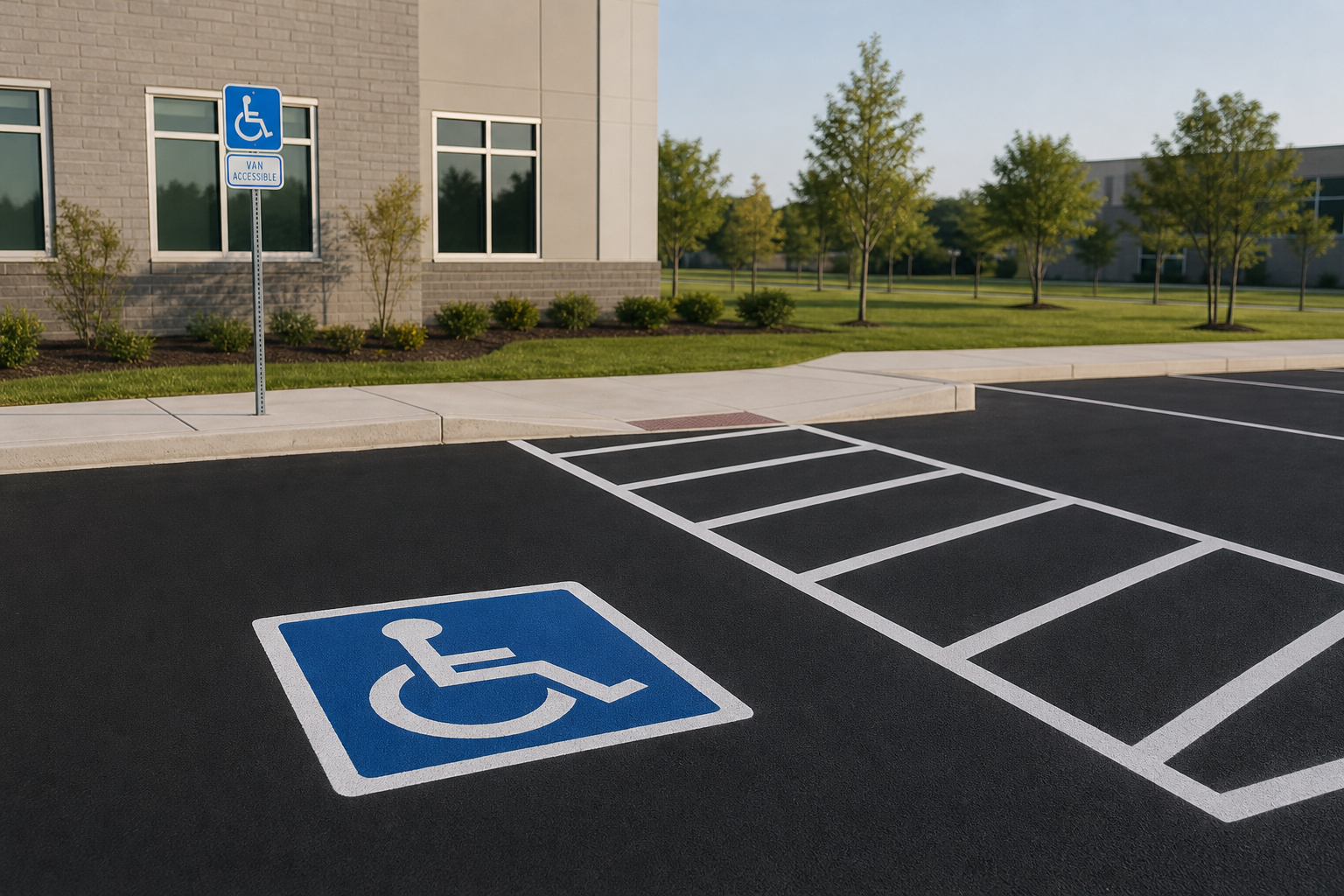
On commercial lots, line striping follows once the sealcoat has cured. This includes parking space lines, ADA markings, fire lanes, crosswalks, stop lines, and curb painting. Restriping is best from April to October, when pavement is dry and temperatures are above about 50°F. For accessibility requirements, review the U.S. Department of Justice ADA site.
Choosing a Paving Contractor in Northern Virginia
Look for a contractor that cleans before sealing, repairs cracks first, and explains each step clearly. Also ask which products they use and whether they follow up after the job. Master Markings offers free quotes at 571-359-3620 or through its website. It serves homeowners, HOAs, apartment complexes, and commercial properties, and accepts major credit cards. Another helpful read is how these services complement each other.
Frequently Asked Questions
What is crack sealing?
Crack sealing is filling or sealing cracks in asphalt to keep water out. It prevents small cracks from becoming larger, costlier damage.
What is seal coating?
Seal coating is a protective layer applied over asphalt. It guards against gas, salt, oil, and sun damage.
Should cracks be repaired before seal coating?
Yes. Cracks should be repaired first so the sealcoat covers a sound surface and moisture stays out.
Why is cleaning so important before sealing?
Sealcoat bonds poorly to dirt, debris, and oil. Sweeping and cleaning give the product a surface it can grip.
What is the difference between crack sealing and seal coating?
Crack sealing repairs specific cracks. Seal coating protects the entire surface.
What if the damage is too large for crack filling?
Larger holes and failed areas may need aggregate-filled repairs or patching. Severe damage may call for milling and repaving with hot asphalt.
How do contractors keep sealcoat off lawns?
They hand apply the product along edges where needed. This gives cleaner borders than spraying near grass.
What happens right after seal coating?
The area is marked off while the sealcoat cures. Traffic should stay off until the contractor says it is ready.
When should line striping be done?
Striping is done after sealing or paving has cured. April to October is ideal, with dry pavement and temperatures above about 50°F.
What common mistakes should owners avoid?
Common mistakes include sealing over unrepaired cracks, skipping cleaning, and waiting until damage spreads. Each one shortens the life of the repair.
Does Master Markings serve homes and businesses?
Yes. It serves residential driveways plus commercial and industrial properties, including HOAs, strip malls, and apartment complexes in Northern Virginia.
How can I get a quote for paving contractor crack sealing and seal coating?
Call Master Markings at 571-359-3620 or use the online form on its website. Quotes are free.
Conclusion: Professional contractors handle crack sealing and seal coating in a clear sequence. They clean the pavement, repair cracks, apply sealcoat, and let it cure before striping. This order protects the asphalt and saves money over time. For a free quote in Northern Virginia, contact Master Markings.